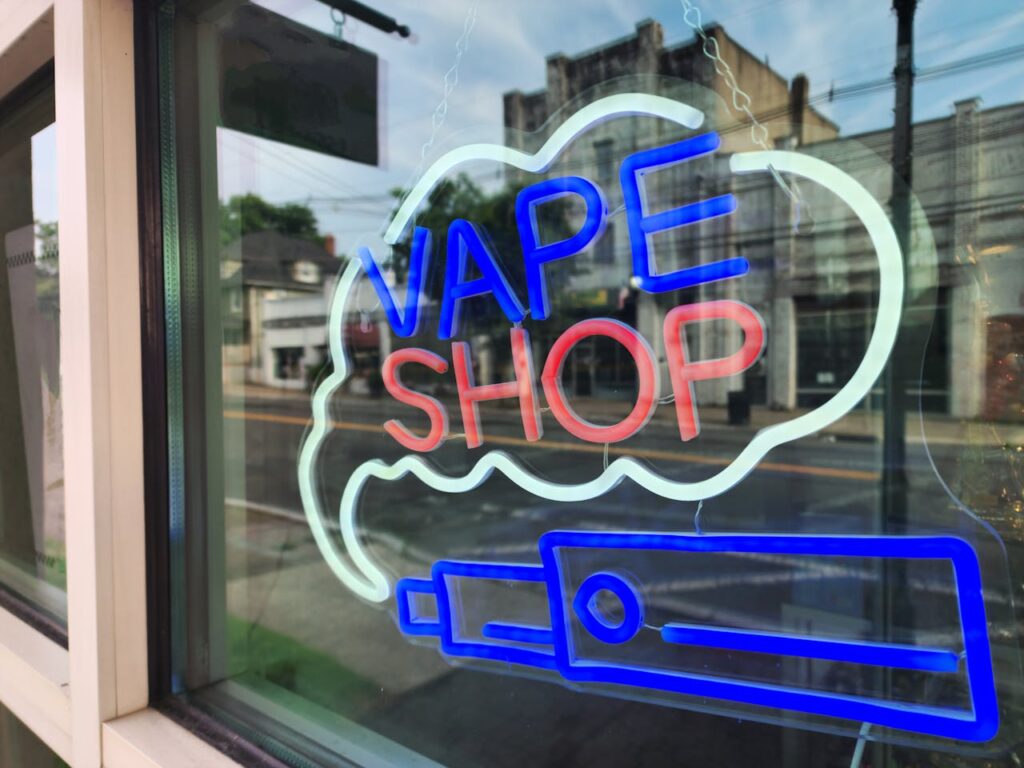


Social media has completely changed how retail businesses attract customers. Today, people discover stores, compare options, check reviews, and decide where to shop directly from platforms like Instagram, TikTok, and Facebook.
However, for vape stores, marketing on social media comes with major restrictions. Unlike restaurants or clothing brands, vape businesses can’t rely on aggressive advertising or constant product promotion.
Many platforms heavily restrict nicotine-related content, and paid ads for vape products are banned or limited in several regions. This often creates a challenge for store owners: How do you stay visible without violating platform rules?
Many businesses either become too promotional and risk account restrictions or avoid social media completely because they fear compliance issues.
But successful vape stores take a different approach. Instead of treating social media like a sales catalog, they focus on:
And that matters because consumers now spend over two hours daily on social media globally. Visibility still influences purchasing decisions – even in regulated industries.
Let’s explore how vape stores can employ social media to build visibility, strengthen customer relationships, and support sales – while staying within compliance rules.
Before posting anything online, vape businesses need to understand a simple reality: Compliance shapes the entire marketing strategy – and it’s not optional.
Social media platforms have become much stricter about nicotine-related content over the last few years. Accounts that ignore policies often experience:
Many businesses make the mistake of thinking, “We’ll just post normally until we get warned.” That approach usually fails.
Here’s what most major platforms typically restrict:
In some regions, age-gating is also legally required. This means vape businesses need to think differently from the beginning.
The safest strategy is not aggressive promotion – it’s responsible brand-building.
A lot of retail marketing relies on urgency, such as:
For vape stores, this style of communication can create compliance problems quickly. However, beyond platform policies, there’s another issue: Audiences are becoming resistant to constant advertising.
According to one report, modern consumers engage more with authentic and educational content than overly promotional messaging. That’s especially true on social media.
People scroll past obvious advertisements constantly. What usually stops attention is:
This is why successful vape brands rarely behave like traditional advertisers online. Instead, they position themselves as lifestyle-focused retail brands with a strong visual identity and professional tone.
One thing that separates long-term vape brands from short-term businesses is Brand identity.
When direct advertising is limited, branding becomes even more important because customers remember experiences and perception more than individual product posts.
Your page should feel recognizable immediately. That does not mean everything has to look overly polished or corporate. In fact, content that feels too commercial often performs worse on modern social platforms.
Instead, focus on consistency:
A clean, modern-looking vape store naturally builds more trust online than cluttered or chaotic content.
Many vape stores focus only on devices and packaging. But customers also care about the environment, customer service, product organization, and staff professionalism.
This is where behind-the-scenes content becomes useful. For example:
These posts feel more natural and less aggressive than direct sales content. And importantly, they usually stay within platform guidelines more safely.
There’s a major difference between “Buy this now” and “Here’s what makes our store experience different.” The second approach builds a connection.
Storytelling content performs well because it feels human rather than transactional. This could include:
Social media users connect more with stories than advertisements.
One of the biggest mistakes vape stores make on social media is copying content strategies from unrelated industries.
What works for restaurants, clothing brands, or cafés doesn’t always work in a regulated category like vaping. Aggressive promotions, flashy trends, and constant product pushing can quickly create compliance risks and damage credibility.
For vape businesses, effective content should focus on four things:
The goal shouldn’t be just attention – it should be trust.
Educational content is one of the safest and most effective approaches because it provides value without sounding overly promotional.
Instead of trying to “sell,” the content helps inform customers in a neutral and responsible way. Some examples may include:
The tone is extremely important. Content should remain informational, not persuasive. For example: “How to clean your device properly” works much better than: “Why you need this device.”
That small difference matters because educational content feels more trustworthy and aligns better with platform policies.
It also positions the business as knowledgeable and professional rather than overly sales-focused.
Visual presentation plays a major role on platforms like Instagram. Research consistently shows that visual-first content strongly influences how people remember and discover brands online.
That’s why many vape stores perform well with:
The key is to keep the presentation mature and professional. Successful visual content often includes:
Large follower count means very little if the audience is inactive. For vape stores, a smaller but highly engaged adult audience is far more valuable than broad, random reach.
This is why interactive content works well:
These formats encourage participation without directly promoting products. And because social media platforms tend to reward engagement-heavy content, they can also help improve organic reach naturally over time.

Not every platform behaves the same way. The audience, algorithm, and moderation policies differ significantly. Smart vape businesses adjust content accordingly instead of reposting identical material everywhere.
Instagram is still one of the strongest platforms for vape store branding because it is highly visual. The platform works well for:
Reels are especially important because Instagram continues to prioritize short-form video distribution. Industry reports show that Reels often receive substantially higher reach than static image posts.
With that said, here’s what vape stores should avoid on Instagram:
The safer approach is mature branding and aesthetic storytelling.
TikTok is more unpredictable because moderation is extremely strict. However, some businesses still perform exceptionally well through:
TikTok audiences respond strongly to authenticity. However, businesses should avoid: Tutorials promoting usage, consumption-focused clips, youth-oriented humor, and trend-chasing that feels irresponsible.
Many brands ignore Facebook now, but it still matters for local retail. Facebook remains useful for various things such as customer communication, store updates, local community awareness, and customer inquiries.
Older demographics also remain active there, which can be valuable depending on the region.
This is one area businesses should never overlook. Every vape-related social profile should clearly state:
Many platforms also allow age restrictions to be enabled on business accounts. This helps reduce compliance risk.
One of the fastest ways for vape brands to face problems online is appearing youth-focused. Businesses should avoid:
Regulators pay close attention to these areas. Even unintentionally youthful content can create issues.
This is one of the biggest mindset shifts vape businesses need to make. Social media should not always function as a direct sales tool. Instead, it should function as:
The actual conversion often happens later: through store visits, inquiries, and brand familiarity. This indirect strategy is often safer and more sustainable in the long term.
Influencer partnerships can work – but only if handled responsibly. The safest collaborations are with:
The content should focus on store visits, atmosphere, and brand experience – not aggressive product endorsement.
And sponsorships should always be disclosed where required legally.
Many vape stores struggle online, not because social media “doesn’t work,” but because their strategy creates unnecessary risk.
Here are some common mistakes that vape shops often make:
Another major issue is depending entirely on paid advertising. In restricted industries, organic branding matters much more than aggressive ad spending.

Social media can help vape stores grow. But success often comes from understanding the rules before trying to chase visibility.
The brands that perform best online today are rarely the loudest ones. They are usually the most consistent, professional, and community-focused.
Instead of relying on aggressive advertising, successful vape businesses focus on branding, education, store experience, responsible communication, and organic audience-building.
That approach may feel slower at first. However, it creates something far more valuable: Long-term trust. And in a highly regulated industry, trust is one of the strongest marketing assets a business can have.