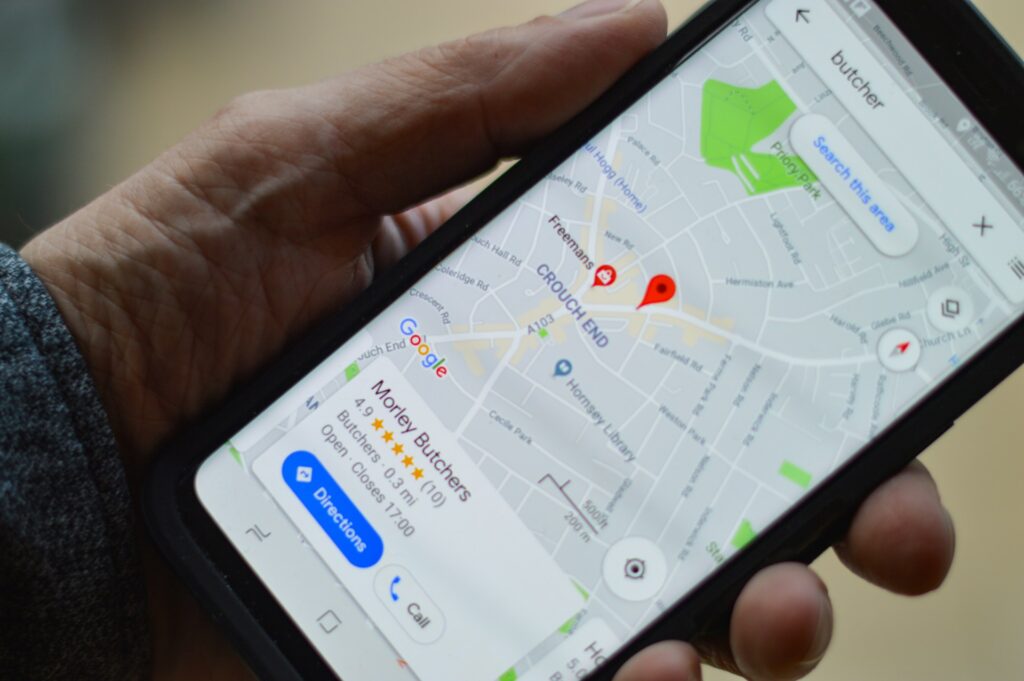
If someone in your city searches for the service you offer right now, does your business show up? And if it does, does the page they find make them want to call you?
Most businesses only get one of these two things right. Very few get both. That’s the gap local landing pages are designed to close. When built properly, they pull in high-intent traffic from people who are actively looking to buy, and they convert that traffic faster than almost any other page on your site.
Here’s how to build them the right way.
Why Local Landing Pages Matter
Generic service pages usually do not show up in location-based searches. If someone searches for “plumber in Karachi” or “dentist near me,” Google wants to find pages that are truly relevant to that area, not just ones that mention the city once.
Local landing pages fix this problem. These pages focus on a specific location and show both search engines and the people that your business serves in that area. They help build trust and reach people right when they are ready to choose a service. This is the kind of traffic that converts quickly.
Here’s how you can build high-conversion landing pages:
1. Target the Right Locations First
Before you build anything, get specific about where your customers actually are. Pull your Google Analytics data, your Search Console queries, and your Google Business Profile insights. Look at where your existing customers are coming from. Then build one dedicated page for each real service area.
Do not build generic pages and swap out the city name. Google sees through this immediately, and so do users. Each page needs to earn its place by being genuinely useful to someone in that location.
2. Localized SEO That Actually Works
Make sure your page title, meta description, and headers mention both the service and the location in a natural way. For example, “Affordable AC Repair in Karachi” is a good choice because it matches what people are likely to search for.
Add location-specific keywords throughout your page, but make sure the text sounds natural. Focus on writing for people first, not just search engines. Don’t overuse the city name, since it won’t help your rankings and makes the page hard to read.
Think of your meta description as your first sales pitch. Include the service, the location, and give a clear reason to click. Keep it specific and under 160 characters.
3. NAP Consistency Is Non-Negotiable
NAP means Name, Address, and Phone number. Every local landing page should clearly show this information, and it must match exactly what is listed on your Google Business Profile, directories, and any other platform where your business is listed.
Even small differences, like writing “Street” on one site and “St.” on another, can hurt your local rankings. Keep your information the same everywhere. Also, make sure your NAP is in text that search engines can read, not hidden in an image.
4. CTAs That Drive Action
Each local landing page should have a clear and specific call to action. Instead of just saying “contact us,” try something like “Call our Texas team today” or “Book a free quote in Houston.” These location-based CTAs feel more personal and usually work better.
Place your CTA above the fold so it is visible before anyone scrolls. Then repeat it throughout the page. Do not make someone hunt for a way to reach you.
5. Mobile Optimization Is Not Optional
Most local searches now happen on mobile devices. Your page should load quickly, look good on small screens, and make it easy for people to take action. Include click-to-call buttons, simple navigation, and make sure your NAP and CTA are visible without scrolling.
If your site is slow or hard to use on mobile, people will leave, even if everything else is great. Check your page speed often and fix any issues you find.
6. Use Schema Markup
Schema markup is a type of structured data that helps search engines know what your page is about. For local pages, this means adding your business name, address, phone number, hours, and service area in a way search engines can easily read.
This improves your chances of appearing in rich results and helps AI-powered search tools surface your business accurately. It is a technical step but not a hard one, and it can really boost your ranking.
A well-built local landing page is one of the highest-returning investments in local SEO. It works around the clock, targets people at peak buying intent, and builds the kind of local trust that turns a search into a sale. Build each one like it is the only page that stands between your business and a customer who is ready to act.
Make Local Search Work for Your Business
Local SEO works best when every part of your online presence helps nearby customers find, trust, and choose your business. Strong local landing pages, accurate business information, useful content, and well-implemented schema give search engines the context they need while making the decision easier for customers.
Focus on real local needs rather than simply adding city names for rankings. When your website answers what people are searching for and gives them a clear reason to choose you, local visibility becomes a real business advantage, not just an SEO metric.