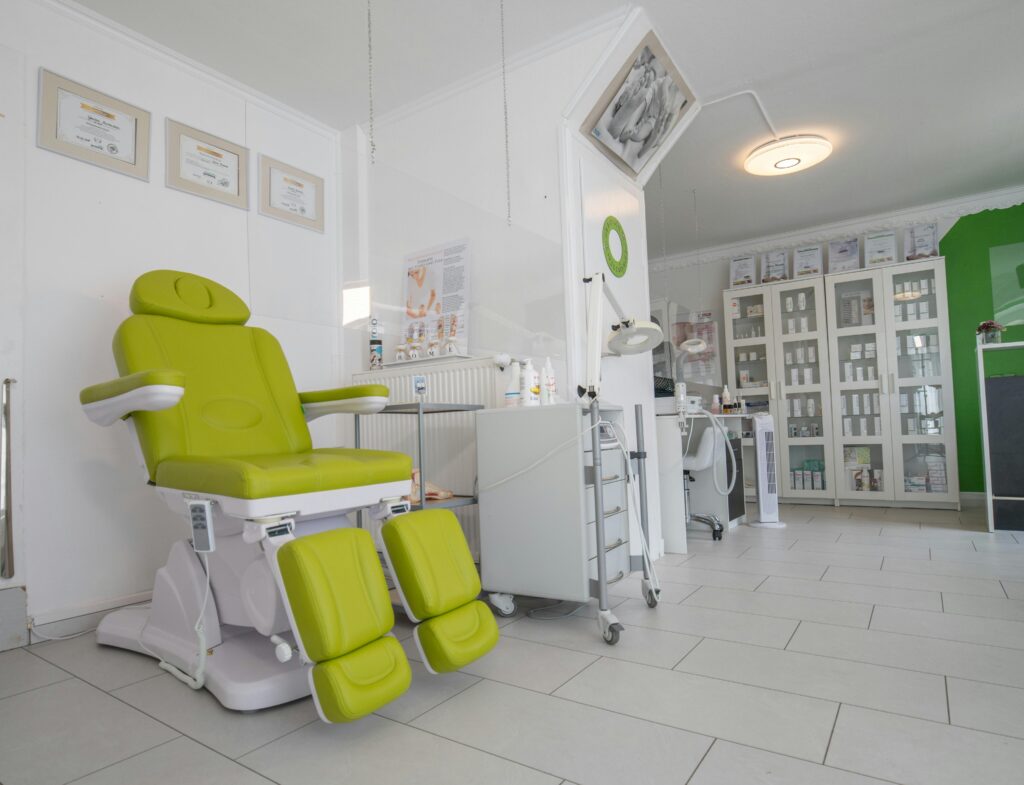
Choosing an aesthetic clinic is not like choosing a restaurant. The stakes feel personal. The results are visible. And in a metropolis city, the aesthetic industry has grown faster than its regulation; patients approach every clinic with a healthy layer of suspicion before they ever book a consultation.
This suspicion makes sense. It comes from real experiences. People have heard about bad filler jobs, unqualified practitioners using official-sounding names, and results that look nothing like the clinic’s Instagram photos. These stories have made patients much more careful than they were five years ago.
But this can be good news for clinics that operate the right way. When trust is hard to find, making an effort to earn it becomes your biggest advantage. Digital marketing, if used well, is where you start building that trust before a patient even visits your clinic.
In most industries, the buying journey moves from awareness to interest and then to purchase. In aesthetic medicine, there is an extra step that marketers miss: reassurance.
A potential patient might know about your clinic and be interested in a treatment, but still not book an appointment. It’s not always about price or location. Often, something inside tells them to wait. They want more proof, more certainty, and more evidence that your clinic and your team are the right choice and won’t lead to regret.
The main thing holding patients back is fear of bad results, not cost or convenience. People often picture the worst outcome before they think about the best. So, your marketing should focus on easing those fears before you talk about the transformation. It is to dismantle the fear first.
Every piece of content you produce, every review you collect, every credential you display, and every question you answer publicly is either building that reassurance or failing to do so. There is no neutral ground.
The most common mistake aesthetic clinics make on social media is leading entirely with results. Beautiful skin. Lifted features. Glowing transformations. The images look great, but they don’t answer the most important question first. Before a cautious patient asks, “Will I get those results?” they want to know, “Who is doing this, and are they qualified?”
Make sure you answer that question clearly and often.
Introduce your doctors and practitioners by name, not just as a small mention at the end of a post. Share their medical background, years of experience, specific training, and any international certifications. If your lead doctor trained abroad or holds an internationally recognized qualification, mention it clearly. These details are important for patients who want to know your clinic is truly professional, not just focused on looks.
Create a regular content format around your team. A weekly or fortnightly post that goes deeper into a practitioner’s philosophy, their approach to a specific treatment, or why they recommend one technique over another. This content positions your clinic as a place where real expertise lives, not just real equipment.
Don’t hide behind your brand. Patients trust people more than they trust logos.
Before-and-after content is a powerful tool in aesthetic marketing, but it is often misused. When done right, it helps convert potential clients. When done poorly, it can create the very doubts you want to avoid.
Most before-and-after posts look so curated that they seem fake. The after photo has perfect lighting, while the before photo uses unflattering angles. Sometimes, the results look like a different person instead of an improved version of the same person. Patients notice these tricks and end up trusting the clinic less.
Aim for ethical realism. Use the same lighting, angle, and expression in both photos. Show results that are impressive but still believable. If a patient sees your before-and-after and thinks, “that looks like something that could happen to me,” you have succeeded. If they think, “that looks too good to be true,” you have lost their trust.
Always give context. Share what treatment was done, how many sessions it took, what the patient’s skin concern was, and what recovery looked like. This kind of transparency is rare in the industry, so it helps you stand out. It also shows you are confident in your results and willing to share the full story.
Always get written consent from every patient before sharing their images. It might seem obvious, but many clinics skip this step. Besides being the right thing to do, it also protects your clinic legally.
Word of mouth has always been the most trusted form of marketing. Digital marketing simply gives you the tools to scale it.
Your Google Business Profile is one of the most underused assets in aesthetic clinic marketing. A fully optimized profile with a consistent stream of genuine reviews does two things simultaneously. It improves your visibility in local search results when someone searches “aesthetic clinic in Texas” or “skin clinic near The Woodlands.” And it provides the social proof that cautious patients are actively looking for before they commit.
Ask every happy patient to leave a Google review before they leave your clinic. Do not pressure them. A simple, honest request from the practitioner who treated them is very effective. Make it even easier by sending a WhatsApp message with a direct link to your review page. Most people are glad to help if they have had a good experience, and you ask them directly.
On social media, patient testimonials work best when they feel real and unscripted. A short video of a patient talking naturally about their experience, filmed on a phone without fancy production, usually does better than polished ads. The natural feel is what makes it believable. Keep the pauses and casual language. That is what makes it believable.
Share testimonials that talk about specific worries. For example, a patient saying, “I was terrified about the downtime, but I was back to work in two days,” speaks to a concern many people have but might not say out loud. Being specific like this helps convert more patients.
When clinics hide details about pricing, side effects, or what a procedure really involves, they end up with poor patient relationships. These relationships are based on mismatched expectations and usually leave both sides disappointed.
Clinics with the strongest reputations are the ones that share more information than expected. List your pricing ranges on your website. This is not to stop patients from negotiating or to replace consultations, but to help patients book with clear expectations. When they know what to expect, they arrive prepared instead of defensive.
Make content that explains what treatments are really like. Describe what a filler appointment feels like, what happens in the 48 hours after a laser treatment, why some results take four to six weeks to appear, and why follow-up appointments are part of good care, not just an extra charge.
This type of content sends a clear message: you respect your patients and want them to be well-prepared. People notice that respect. It helps turn cautious visitors into booked patients, and booked patients into loyal ones who refer their friends.
Respond to negative reviews openly and politely. In a market where patients pay close attention, how you handle complaints says more about your clinic’s culture than ten positive reviews ever could. A calm, thoughtful reply to criticism builds trust. Make the most of this opportunity.
The aesthetics clinics are building sustainable patient bases through digital marketing, but are not doing so by spending the most on ads or producing the most content. They are doing it by being consistently honest, consistently visible, and consistently more transparent than anyone else in their market.
Trust compounds over time the same way reputation does. Every credential you share, every realistic result you post, every review you earn, and every question you answer in public adds to a foundation that becomes increasingly difficult for competitors to replicate.
Start with one piece of this today. Introduce a doctor properly. Respond to every review this week. Share a before-and-after photo with honest details. Building trust through digital marketing is simple. The key is to do it consistently.
And consistency, in an industry where so many clinics disappear as fast as they appear, is the most powerful signal of all.
The patients you want most are the ones who do their research, ask thoughtful questions, and tell others about their experience. These are the people who pay attention to everything before they ever call your clinic. They notice when you have nothing to hide. They notice when you stand behind your work, with your name and face visible. They also notice when you respond thoughtfully to negative reviews instead of ignoring them or getting defensive.
These details matter. They can be the difference between a clinic that fills its schedule through a strong reputation and one that is always searching for new patients. If you build trust now, it will support your clinic all the time in ways that paid ads never could.