Why Social Media Is Non-Negotiable for Restaurants
Instagram and TikTok have changed the way people choose where to eat. A beautifully shot dish on Instagram can market the name of your restaurant amongst thousands of people who have never heard of you before. A 30-second TikTok of your kitchen in action can go viral and fill your tables for days.
Social media does more than help people find your restaurant. It helps them feel comfortable and familiar with your place before they visit. It answers the questions customers have before they even think to ask them. What does the food look like? What is the vibe? Is it worth the price?
The platforms doing the most work for restaurants right now are Instagram for high-quality visuals and community building, and TikTok for raw, unfiltered reach. If you are not active on both, you are leaving a significant amount of discovery on the table.
Define Your Goals Before You Post Anything
One common mistake restaurants make on social media is posting without a clear goal. Before creating content, plan what you want to accomplish.
If your main goal is brand awareness, focus on content that reaches new people and is easy to share. If you want to drive sales and reservations, use strong calls to action and special offers. If building a loyal community is your priority, focus on engaging with your audience, replying to comments, and sharing behind-the-scenes moments.
Most restaurants need a mix of all three, but knowing which one is the priority at any given time helps you make better decisions about what to post and how to measure whether it is working.
Choose the Right Platforms for Your Restaurant
Not every platform is worth your time. If you try to do too much, your content may suffer. Put your effort into the platforms that matter most.
Instagram is the top choice for restaurant marketing because it is designed for visuals, and food content is very popular there. Share high-quality food photos and tell your brand story in your feed. Use Reels for short videos that can reach new people. Use Stories for daily updates, polls, behind-the-scenes looks, and limited-time offers.
TikTok is great for reaching a wide audience. Its algorithm gives every video a chance to do well, no matter how many followers you have. This is especially helpful for new restaurants. TikTok content style is more casual and authentic, so it is often easier and less expensive to make. For example, a 20-second video of your chef plating a dish, paired with the right music, can reach thousands of people in just 24 hours.
Facebook is still useful, especially for reaching older customers and for paid ads. However, if you are deciding where to focus your regular content, start with Instagram and TikTok.
Build Your Content Pillars
A content pillar is a main topic you use again and again. When you have clear pillars, you always know what to post. For restaurants, four main pillars usually work best.
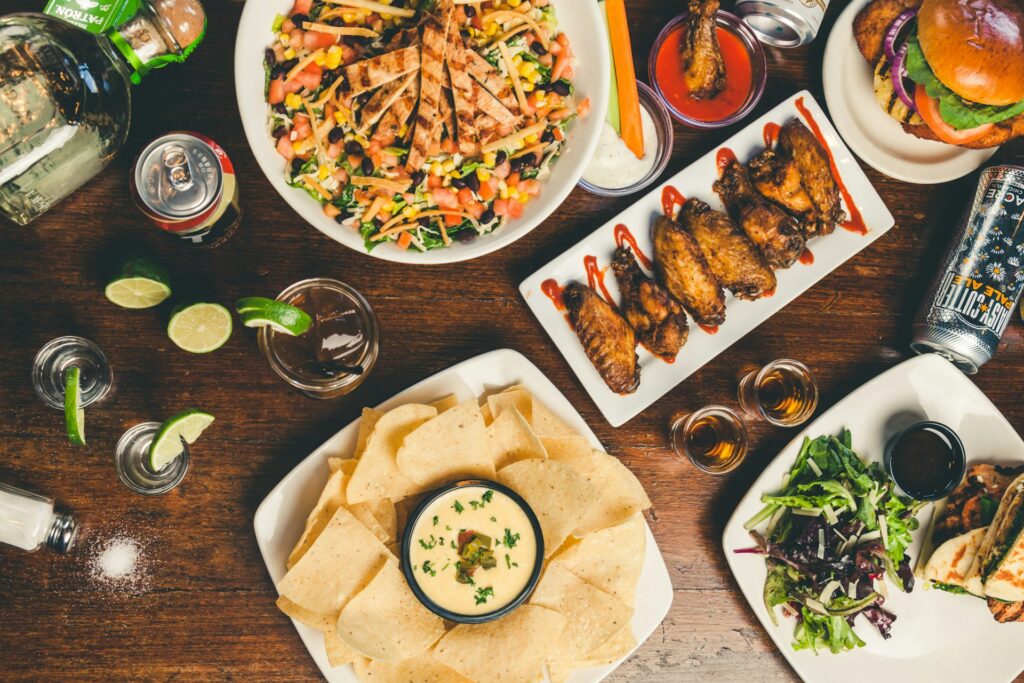
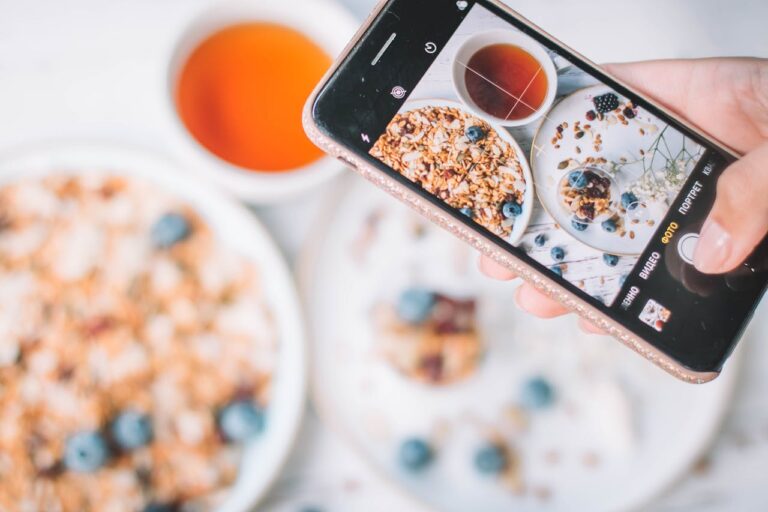
- Food Visuals: This is the most important part. Great photos and videos of your food are the best way to attract customers. You do not need a professional photographer for every post, but you should use good lighting, a clean background, and make sure your food looks its best. Natural light is your best friend. Try taking photos during the day near a window, and you will see a big difference.
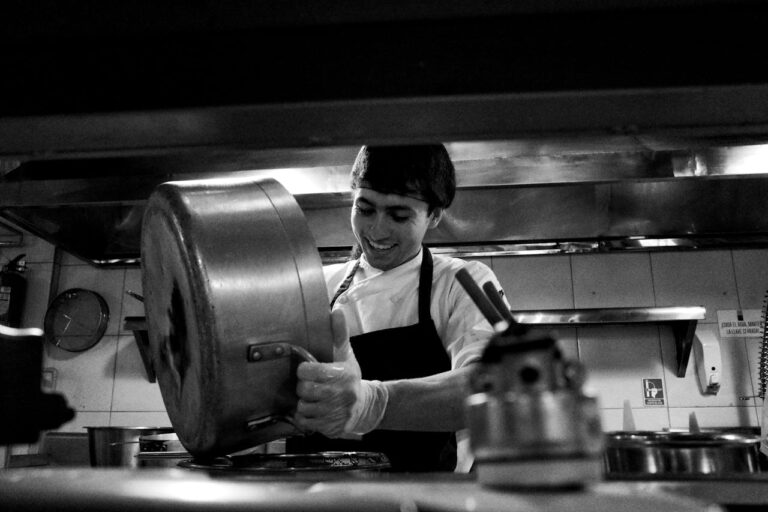
- Behind the Scenes: People love to see what goes on in the kitchen. You could share a time-lapse of prep work, a video of your chef talking about a special dish, or even a busy Saturday night in action. These posts do well because they feel real. They help people trust you and get to know your restaurant’s personality in a way that perfect food photos cannot.
- Customer Experiences: User-generated content is one of the most underused assets in restaurant marketing. When a customer tags you in a post or shares a story from your restaurant, share it on your own page. Ask your regulars if you can feature their visit. Show real people enjoying your food. This type of content is more convincing than anything you make yourself because it shows honest proof that people love your restaurant.
Offers and Promotions: Every content plan should include posts about your business. Share new menu items, weekend specials, seasonal dishes, and limited-time offers to encourage people to visit soon. Make these posts simple and clear. Let people know what the offer is, when it ends, and how they can get it