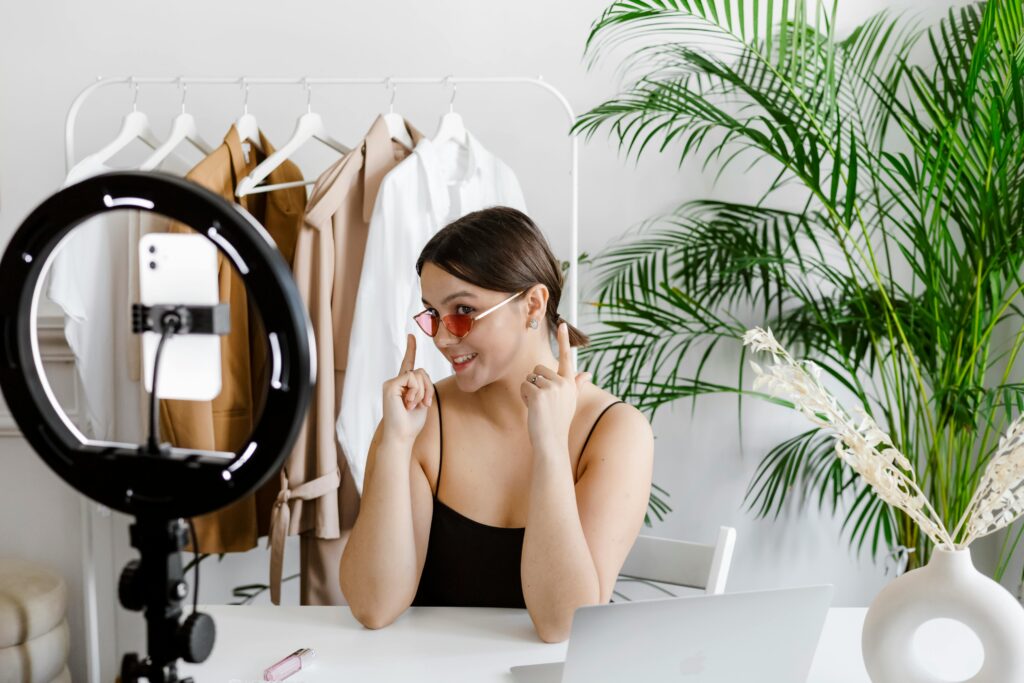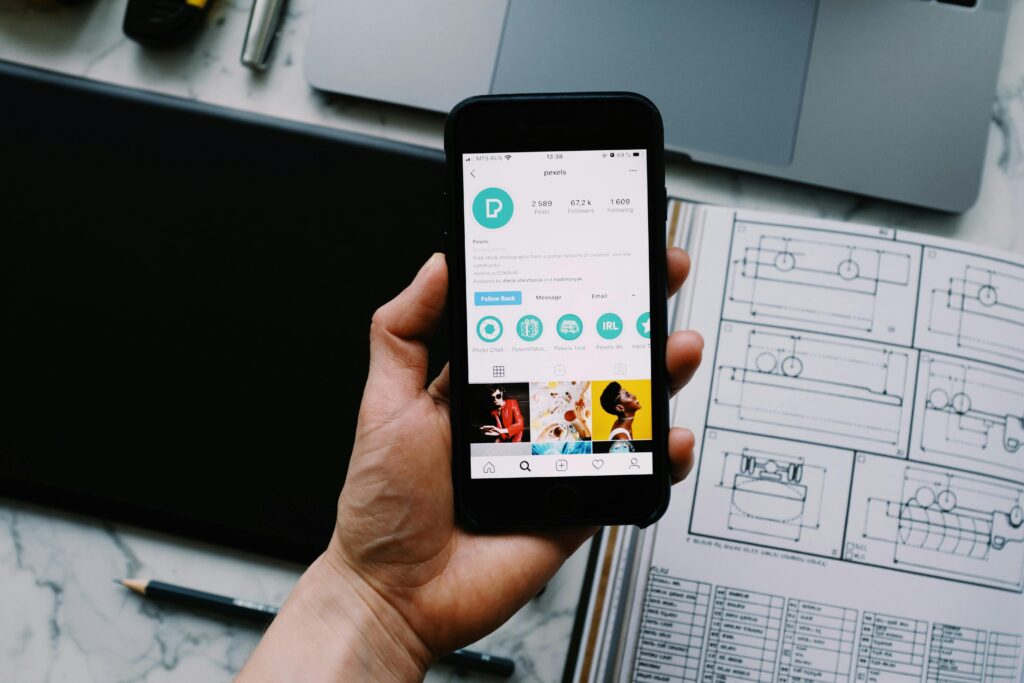


If you’re a brand or a marketer who wants to reach a new audience, partnering with an influencer can be a good way to do just that.
Influencer marketing is a powerful strategy. Given the fact that 3.96 Million people use social media worldwide, experts say the number will reach 4.41 Million by 2025.
Due to this, influencer marketing is becoming an increasingly popular marketing method among brands.
As targeted markets become more digitally engaged and younger, influencers and content creators can help brands connect with customers where they are – online.
Want to know how to create influencer marketing strategies that work? This article will walk you through everything you need to know about influencer marketing, from different types to effective strategies and more.
Instagram influencer strategy involves partnering with content creators and influencers to endorse and promote a brand’s services or products on a platform.
It’s increasingly simple: brands collaborate with influencers to promote their products and compensate them in return.
Although influencer marketing is widely used on different platforms like Facebook and TikTok, 86% of marketers consider Instagram as their go-to platform for influencer marketing strategies.
In short, it’s an efficient way to introduce your business, reach your target audience, and jumpstart relationships with potential consumers.
Before we jump to the strategies, let’s delve into knowing the different types of influencers you can work with.
Influencers are categorized into three different types based on their follower count. Make sure to choose one that best suits your requirements and budget and fits your brand.
Listed below are the three types:
Nano influencers have the smallest following, usually less than 1,000 followers. However, they have better engagement rates, typically within the super-niche or local community.
In addition to that, these influencers carefully choose the products or brands they support.
Micro-influencers typically have followers ranging from 1,000 to 100,000. They appeal to more specific audiences and are recognized as experts in their field.
These influencers are more affordable than macro influencers and even provide impressive engagement rates.
With 100,000 to 1 million followers, macro influencers are well-known online figures. They reach a broad audience, often targeting demographics like young women or teens.
They’re best for campaigns with substantial budgets. Unlike nano or micro-influencers, you’ll likely collaborate with one or two macro-influencers rather than several.
Now that you know what types of influencers are available, let’s find out how to create a successful influencer marketing strategy.

Like other types of marketing, influencer marketing requires strategies and plans. If you don’t have any, you can’t operate successful campaigns.
Without much ado, here are the six best influencer marketing strategies you should include in your marketing plan to get better social media performance.
One of the first things you need to craft successful influencer marketing campaigns is goals. After all, if you’re unsure what success looks like, how can you measure what worked and what doesn’t?
Although influencer marketing success varies for each business, make sure to use SMART (Specific, Measurable, Attainable, Relevant & Time-bound) goals.
Let’s say you partner with potential influencers, whether mega or micro-influencers, but what exactly do you wish to achieve?
Here are a few common goals you can help achieve with influencers:
Different brands have different goals. Make sure you define yours at the campaign’s outset to shape all other aspects effectively.
Believe it or not, influencer marketing is effective when you promote to your target audience.
If you find the right audience, you’ll see considerable benefits from the collaboration. However, if you get it wrong, not only will it be a waste of investment and time but also embarrassing.
To make your influencer campaigns a success, you should properly segment and identify the audience. Once you do it, it’ll be much easier to determine which group would best suit your marketing goals.
Depending on your brand’s ideal buyers or target personas, you should group potential customers by psychographics, preferred channel, demographics, or buyer lifecycle stage.

As you have to know your goals and audience, before you reach out to influencers, you have to identify the campaign’s messaging. This can largely differ based on the purpose and goals of your collaborations.
Your campaign message should align with your goals. But if you don’t have a plan for your campaign, it’s hard to come up with a good strategy.
So, create a campaign brief that clearly says what you want to achieve and what you want the influencer to do. The clearer you are, the better chance you have of getting a great collaboration.
One common mistake that many brands make is they don’t set a budget. When it comes to influencer marketing, every influencer – including a micro-influencer – expects compensation for its efforts.
Partnering with influencers solely on gifted products is mostly a thing of the past. Nowadays, if you wish to work with a highly engaged influencer, you need a budget (along with services or products to gift).
When you set a budget, you have to consider the split between compensating influencers and covering product or service costs.
Make sure to not enter into negotiations or reach out to influencers without knowing your budget.
To set your budget, ask yourself a series of questions like:
At this point, you may want to know how much it costs to partner with influencers across different platforms. Here’s a rough estimate:
Once your budget is set, you can plan how to employ it effectively.
Based on your influencer marketing campaign goals, you have to decide if you want to partner with celebrity influencers or engaged micro-influencers. Both influencer marketing strategies have their ‘own’ place, so there’s no one-size-fits-all approach.
However, in terms of finding the right influencers to work with, the path varies between micro and macro influencers.
For instance, if you wish to collaborate with a celebrity influencer, you have to go through their agents.
But if you want to partner with micro-influencers like many small businesses and new startups, you can find and approach them directly and much more easily.
Wondering how to do it?
One way you can find your brand influencer is to check out hashtags and see who your competitors are partnering with.
You can also use influencer marketing platforms such as Upfluence, Grin, and Afluencer to find influencers in your niche.
These platforms allow you to search for influencers that best meet your project requirements using specific filters and criteria.
It’s crucial to track your collaboration performance to ensure every expectation is met and decide if it’s a success.
Make sure to track engagements, conversions, website traffic, and any other metric you agreed upon when you set your goals.
You can decide to look at this data every week, month, or quarter, depending on your campaign. Remember to compare the results to your original goals to see what worked well and how you can do it again.
Influencer partnerships have a big potential for bringing in a good return on investment (ROI). This is why you need to track if/how your influencer marketing content works better than non-influencer content.

Influencer marketing can help increase your brand’s visibility, connect with a new audience, and create trust with potential customers.
Make sure to choose the right influencers for your target audience or industry to get more website traffic and boost customer exposure to your services and products.
Influencer marketing can offer many benefits, but it can be a bit tricky. This is why you need to use an influencer marketing strategy template – it helps your brand set up marketing campaigns, manage, and even present them to stakeholders.
Here are four easy tips that can make your influencer marketing proposal look great:
In today’s competitive marketing world, influencer marketing is an effective tool that can help increase brand awareness and get more customers.
However, there’s no one-size-fits-all approach. You need to experiment with various things and see what works in your specific niche.
Nevertheless, follow the six strategies we outlined to the T to learn how to build an influencer marketing strategy. This will help create long-lasting relationships with your target audience and boost sales.
Want to know more about influencer marketing strategies and get more followers and engagement rates on Instagram? Choose Contech Corp!
We have a range of tools and strategies to help you land a perfect social media marketing strategy that can get the job done. Not only will you see more likes, comments, and shares but more followers, sales, and conversions.
Happy influencer hunting!
The rising popularity of video content is poised to become a major trend in influencer marketing in the coming years. Online video sharing sites like YouTube, Instagram, and TikTok have recently increased their focus on video content, contributing to its meteoric rise in popularity.
To develop an influencer marketing strategy, follow these five steps:
In influencer marketing, well-known people on social media work together with companies to spread the word about those companies’ goods and services. These collaborations have existed informally since the inception of social media.