

With each passing minute, the maxims of social media change, bringing with them new ideas and discarding the old. Some businesses excel at adapting to this change. They use creative social media trends and consumer behavior to grow their brands. And, those brands are definitely on the winning track.
To stay relevant, brands must adopt agile strategies and connect meaningfully with their audience. So, if you’re a brand looking for social media success, you better start looking for the newest social media trends.
Don’t know where to start? Our blog explores the most exciting social media trends 2024 that marketers can integrate into their data-driven strategies. So let’s get to it.
Artificial intelligence (AI)-generated content sprawls across all social media and has altered the content production landscape for businesses of all stripes. It has advanced to create its own textual and visual content, automate procedures, and improve user experiences.
Natural Language Processing (NLP) models like GPT-3 have shown impressive ability in producing logical and meaningful text in various settings. AI-powered writing assistants have shown promise in automating and improving a wide range of content production tasks, from blog entries and news stories to social media captions and product descriptions.
Marketers have also witnessed a growing trend of using AI in visual media creation. Realistic-looking photos, films, and 3D models may be generated via Generative Adversarial Networks (GANs). This has enormous implications for fields like advertising, gaming, and virtual reality, where computer-generated imagery can improve the quality of user experiences and pave the way for more realistic simulations.

TikTok’s meteoric ascent to popularity and user engagement has brought it to the spotlight and propelled it to stand beside its other formidable competitor, Facebook.
Numerous people, especially GenZ, have been interested in TikTok because of its short-form video style. As a result of the platform’s focus on short-form content and different approaches to creativity, infotainment, and other forms of short-form entertainment, its rapid expansion and cultural impact have been fueled.
TikTok is drawing not just individual users but also brands and content producers as it continues to grow its user base and services. Many businesses are utilizing TikTok’s advertising options and partnering with influencers to engage their target audience in new and innovative ways.
Changes in user habits and preferences have led some to draw parallels between TikTok and Facebook. Although Facebook is still the most popular social networking site, TikTok’s growth represents a shift in the market where shorter, more visually appealing material is taking precedence over long-form text-based conversations.
This trend is also influencing how companies promote and market themselves. They recognize the platform’s potential to connect with younger consumers interested in trends. Therefore, they are dedicating more money to marketing and partnerships on TikTok.
Social media sites like Facebook, Twitter, and Instagram have amassed enormous amounts of user-generated content in the modern day. These sites provide instant data and insights from various people, businesses, and communities. Therefore, consumers routinely use these sites to get advice, find interesting material, and keep up with the times. Social search is vital in the digital ecosystem as it utilizes institutional memory and social networks.
The ever-changing routines of internet users are a significant factor in the rapid expansion of social search. Especially among the younger generation, social media platforms have become vital sources of information and recommendations. Peer and influential insights are highly valued because of their perceived validity and practicality.
As a direct consequence of this trend, social media platforms have labored to enhance their search tools. Facebook’s Graph Search is an example of a search feature that considers a user’s location, interests, and connections to other people and topics. Twitter’s robust search capabilities simplify sorting through tweets in real time and finding the most current discussions centered around specific topics of interest. These search tools make it easy to discover material on social media.
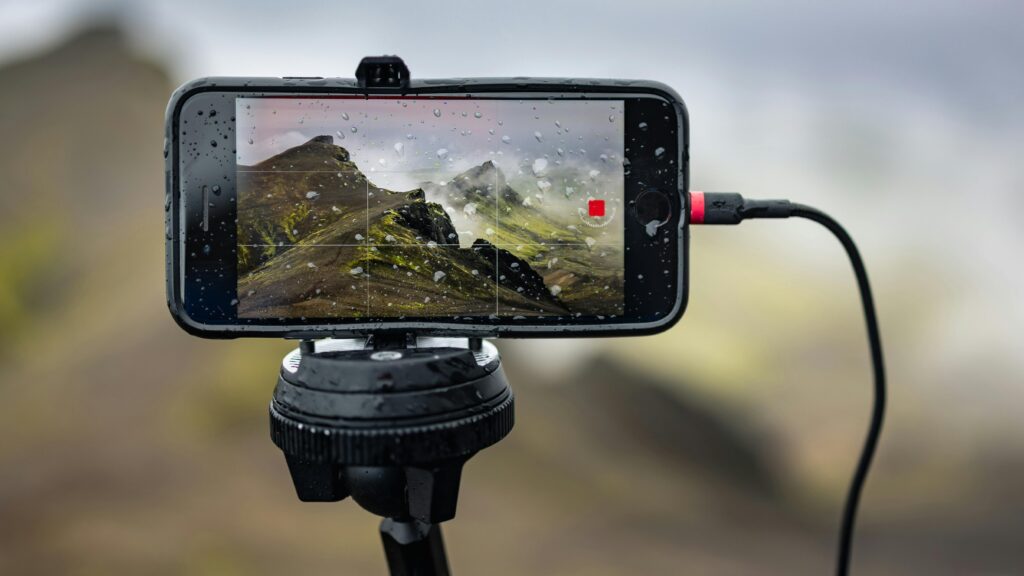
With the attention span of the readers shrinking, bite-size content, aka short-form content, is resurging across social media platforms. People prefer digestible content that caters to their fast-paced lifestyle, is convenient, and saves time.
Platforms like Instagram, TikTok, Facebook, and Snapchat are jumping on this bandwagon and promoting the production of reels to engage users’ attention quickly. Bite-sized material such as instructional nuggets, creative expressions, viral challenges, and humorous moments have immensely flourished on these platforms.
Brands are also capitalizing on these short reels to direct their message across by condensing complex ideas into simple forms that are easy to understand.
Bite-sized information has become more popular as mobile devices and social media platforms have become vital content consumption mediums. This format is perfect for on-the-go users since the material can be accessed and interacted with any time.
The resurgence of bite-size information indicates a change in content consumption patterns and emphasizes the need to swiftly and effectively grab the audience’s attention. This pattern will likely develop further, influencing how data is produced, circulated, and used online.
In the ever-evolving world of digital marketing, social media have previously centered on the allotment and evaluation of social budgets. Nowadays, brands are increasingly concerned with the efficiency and profitability of their social media marketing initiatives. Corporations are scrutinizing their social expenses to find the sweet spot between innovation, participation, and ROI.
Brands struggle to keep up with the constant changes to social media mediums and their altering algorithms to maintain their presence and expand their audience. This calls for a calculated method of allocating social budgets, whereby information-based choices take center stage.
Analytics and performance data help organizations learn which channels, content kinds, and promotional efforts are most successful at attracting and converting customers. Additionally, companies can effectively use their social expenditures better by increasing spending on effective initiatives while reducing or eliminating funding for those that aren’t.
The shift in emphasis from promoted to organic and user-generated content has also altered the social media environment. Companies are increasingly teaming up with people who have already made a name for themselves and gained a sizable fan base in a certain niche.
By forming strategic partnerships, companies can harness the power of influencers, expand their reach and generate more relevant customer interaction. Therefore, companies are allocating resources from their social media budgets toward influencer collaborations because of their positive impact on brand recognition, credibility, and sales.

The value of an influencer can no longer be gauged just by the number of people who follow them on social media. Instead, the focus has shifted to engagement and community impact measures. These days, it’s not just about how many people follow them but how actively those people follow them.
Those who have achieved prominence on social media are in a special position to create true connections with their audiences. They establish credibility and trust through open and honest exchanges. The most influential people care enough about their audience to respond to comments, participate in discussions, and provide content tailored to their needs and problems. This trend is directly responsible for the rise of “micro-influencers,” or public figures who don’t have millions of followers but have a committed fan base.
As more companies see the value in these micro-influencers, they put more resources into cultivating relationships with them. As a result, marketers are reaching out to these influencers to work on their campaigns, utilizing their strong relationships inside certain groups to deliver compelling marketing messages.
The trend toward social media stars with large followings reflects consumers’ increasing need for genuine, organic product endorsements. Brands can harness the power of word-of-mouth marketing and capitalize on the real passion and trust within these communities.
The year 2023 saw an explosion of open-source AI platforms such as ChatGPT, Bard, etc. These platforms are becoming popular among academics, freelancers, developers, and organizations because they provide open and interactive settings for AI development.
These Open AI platforms promote innovation and knowledge exchange by offering a collaborative environment where professionals can add to and enhance already existing AI frameworks. This coordinated effort quickens the speed of research and development and the evolution of AI technologies.
Social media is also actively working to integrate these systems into their framework eliminating the execution of repetitive tasks. This allows marketers to adopt a more holistic approach and create powerful strategies to position their brands.
Moreover, there is a sudden surge of how-to guides for these AI platforms, promoting businesses to leverage this technology and accelerate their development cycles. This widespread adoption of AI technologies is reshaping social media and forcing brands to drive a more engaging, intelligent, and personalized user experience.

Augmented reality (AR) is a technology that superimposes computer-generated imagery (CGI) over a user’s worldview to provide a more engaging and seamless experience. This year, we have seen a huge uptick in using augmented reality (AR) on social media.
Facebook, Instagram, and Snapchat have augmented reality features for virtual cosmetics, face filters, and placing virtual objects in real-world settings. These interactive experiences allow users to engage with companies, showcase stunning visuals, and captivate their followers.
The effect augmented reality’s emergence in social media has on marketing and online shopping is one prominent facet. Some companies use augmented reality to let customers “try on” things virtually before buying them. Consumers can employ augmented reality (AR) to try on anything from clothing and accessories to home furnishings before buying.
The advent of augmented reality in social media predicts a radical change in consumers’ content consumption and interaction habits. As augmented reality (AR) experiences become more streamlined and dynamic, social media platforms will likely include AR capabilities to provide users with more prosperous, more tailored experiences.
Combining education with entertainment has attracted the interest of several sectors outside of education. In 2023, everyone is contributing to the growing trend of producing entertaining and useful information.
The fintech industry made significant progress last year due to the distribution of helpful and informative resources. This trend is expected to continue in the year to come.
The significant rise of social media reels has provided a fertile ground for producing informative, entertaining, and instructional videos. Unsurprisingly, many marketers prioritize instructional material when forming partnerships with content developers.
Brands have a wonderful opportunity to clarify any misconceptions and promote their products. They can personalize their brand in a way that people can relate to them directly. These forces brands to investigate the subjects that interest or concern people by reviewing their FAQs and social media messages. The next step is to consider how you might use social media tools like TikTok and Instagram Reels to answer those questions and provide useful information to your audience.
To keep up with customers’ growing interest in the metaverse, businesses are exploring innovative ways to communicate with them in virtual environments. A “metaverse” is a cohesive online community where users may interact in real-time inside a simulated setting. It frees businesses to think outside the box, resulting in more unique and satisfying client interactions.
Metaverse brand activations provide a dynamic and engaging platform for companies to promote their products and services in today’s fast-paced marketplace. Brands can offer their consumers a new way to interact with their goods by using cutting-edge technology like virtual and augmented reality to build immersive digital worlds. These activations allow marketers to tell unique tales, provide bespoke user experiences, and forge deeper emotional bonds with their customers.
The capacity to reach people worldwide is a major benefit of metaverse brand activations. Global marketing campaigns can reach a larger audience since consumers from all over the globe can take part in virtual experiences. The metaverse is also great for user-created content since it encourages originality and stirs up natural interest in brand activations.
Trends always emerge and reshape the social media landscape, altering how we interact with one another and the material we consume. The future of social media is full of promising ideas, but it’s difficult to say which ones will take off. But there is one thing that can’t be denied: social media’s ability to revolutionize whole businesses and affect the public dialogue.
Marketers and companies must be agile, adapt to new technologies and user habits, and grab new possibilities to forge meaningful connections with their target audiences. If you want to succeed in the social media world, you need to be flexible, open to trying new things, and prepared to ride the next big wave that will win over the attention of millions of people.